
Practical information
Checked against 6 official sources on September 25, 2026
- Font Pudosa o de la Puda · Museus de Banyoles (Ajuntament de Banyoles)
- Ruta dels aiguamolls de la Puda i les Estunes (Ruta 2), tercera edició juliol 2024 · Turisme de Banyoles (Ajuntament de Banyoles), amb el Consorci de l'Estany
- Els aiguamolls de la Puda i les Estunes · Turisme de Banyoles (Ajuntament de Banyoles)
- Recomanacions i bones pràctiques · Consorci de l'Estany
- Itineraris per l'espai natural · Consorci de l'Estany
- Ruta dels aiguamolls de La Puda i Les Estunes · Consell Comarcal del Pla de l'Estany (Turisme)
What Taymer44 says
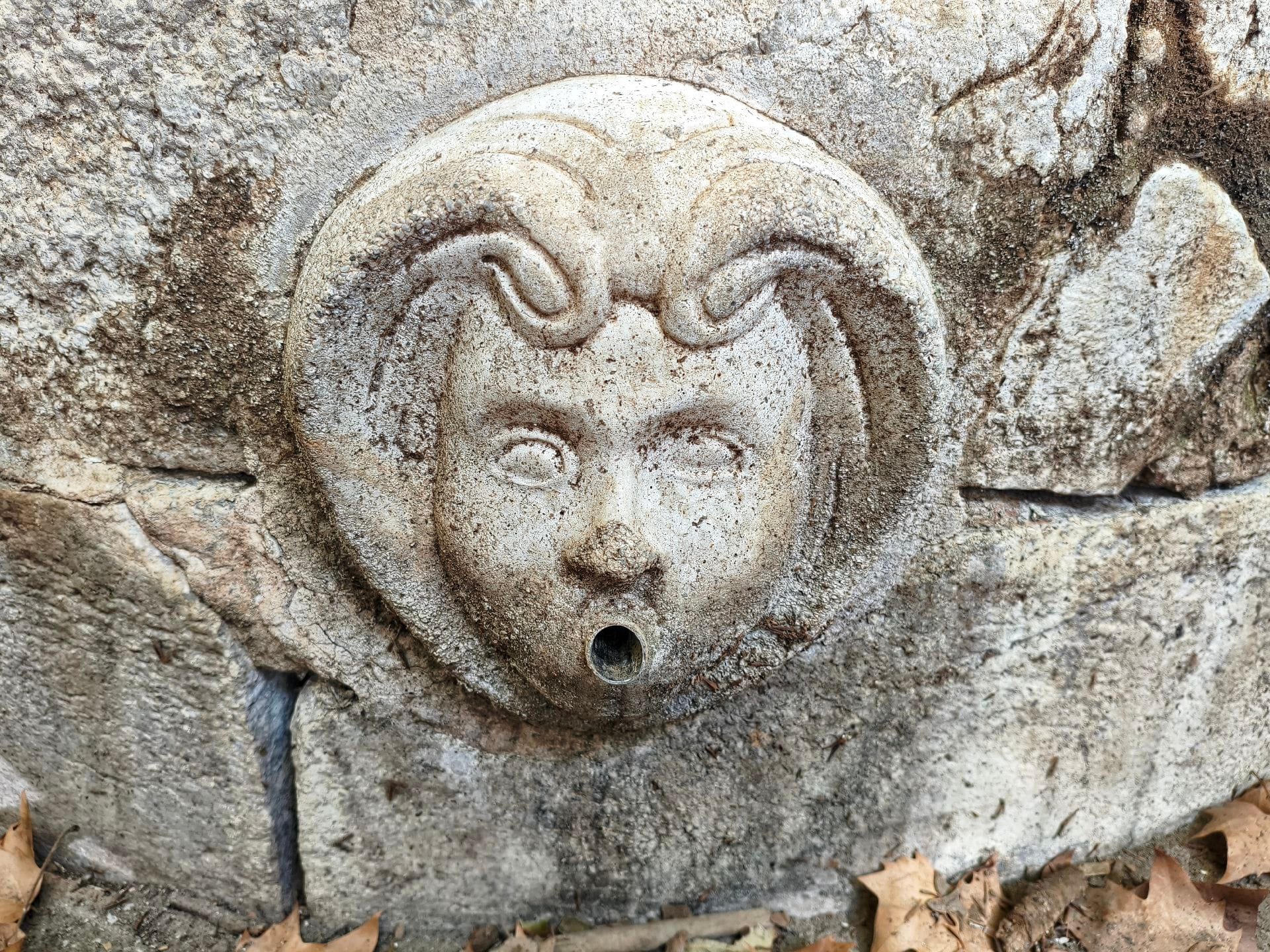
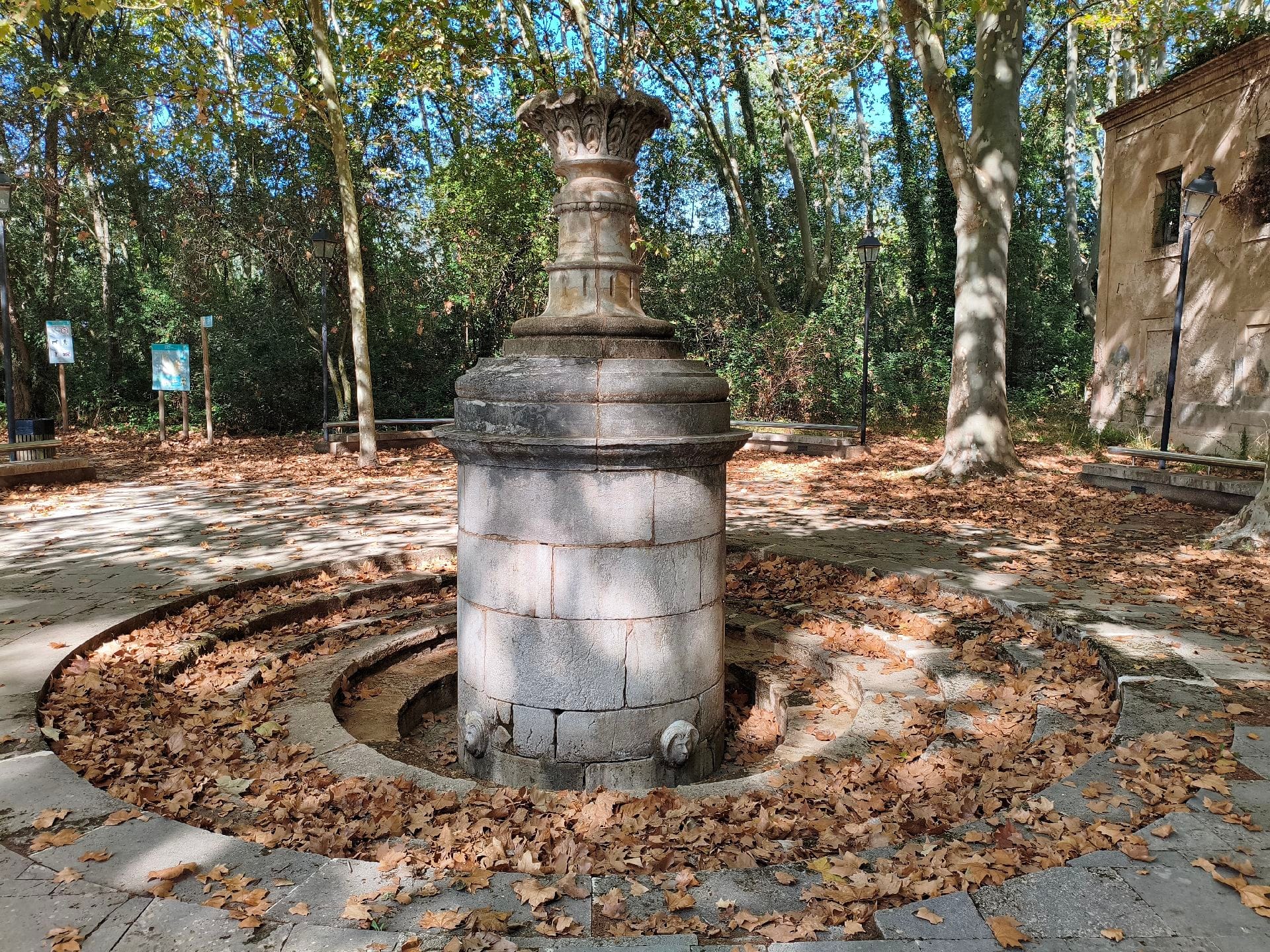
The Font Pudosa was first documented in 1419, but it was not until the 18th century that its sulphurous waters began to be known for their supposed healing properties.
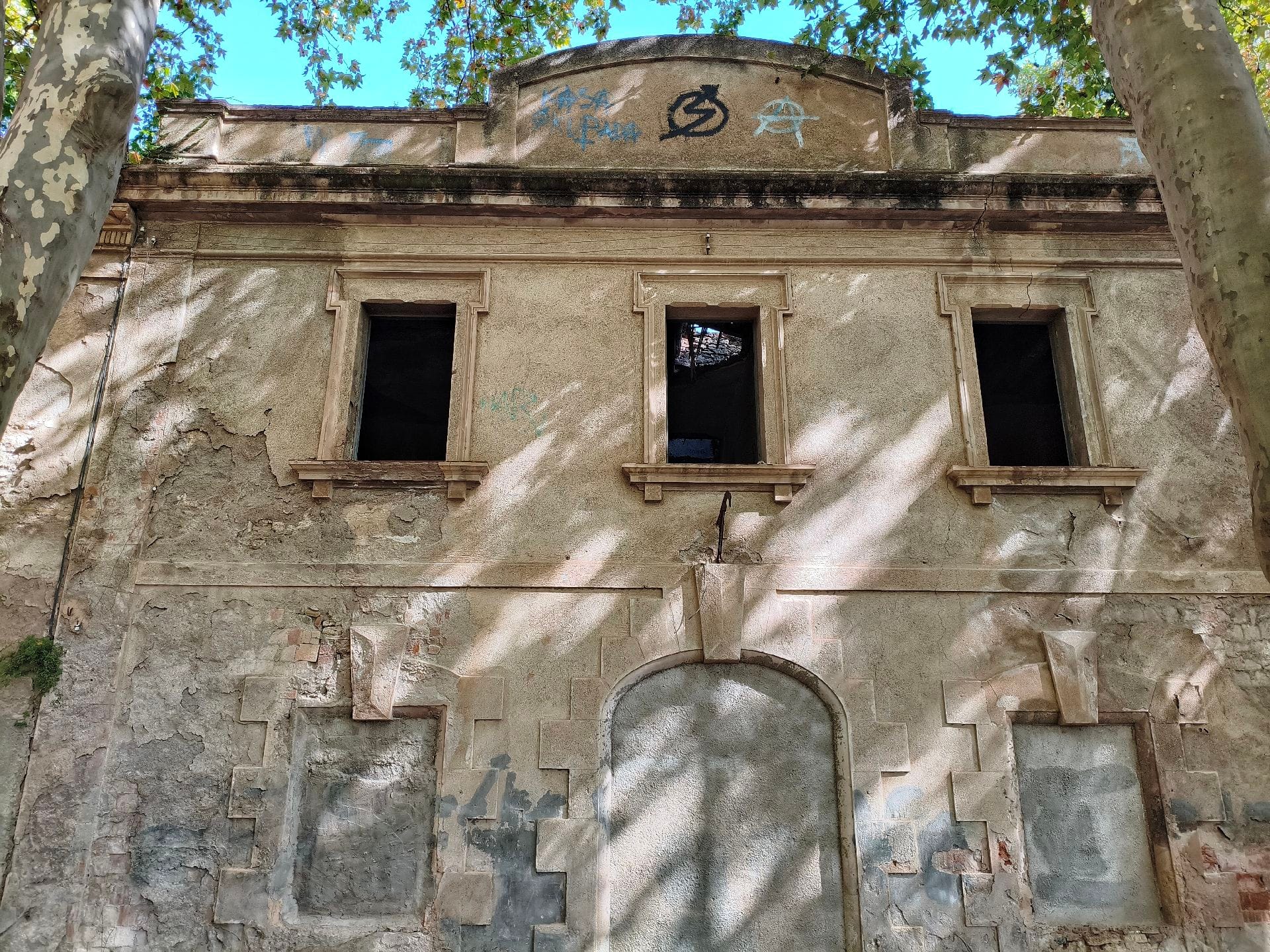
In 1847, there was already a first bathhouse, very simple, with just a couple of bathtubs. The success of the baths made the establishment grow and, in 1862, the spa we know was built.
For decades, La Puda became one of the main attractions of Banyoles. Sick people and holidaymakers came there, especially from Barcelona, attracted by the waters and the new phenomenon of summer holidays. In 1857, before the construction of the definitive building, the bathhouse had already received around 200 customers during the summer season. The water, rich in hydrogen sulphide, gives off that characteristic smell of rotten eggs that gave La Puda its name.
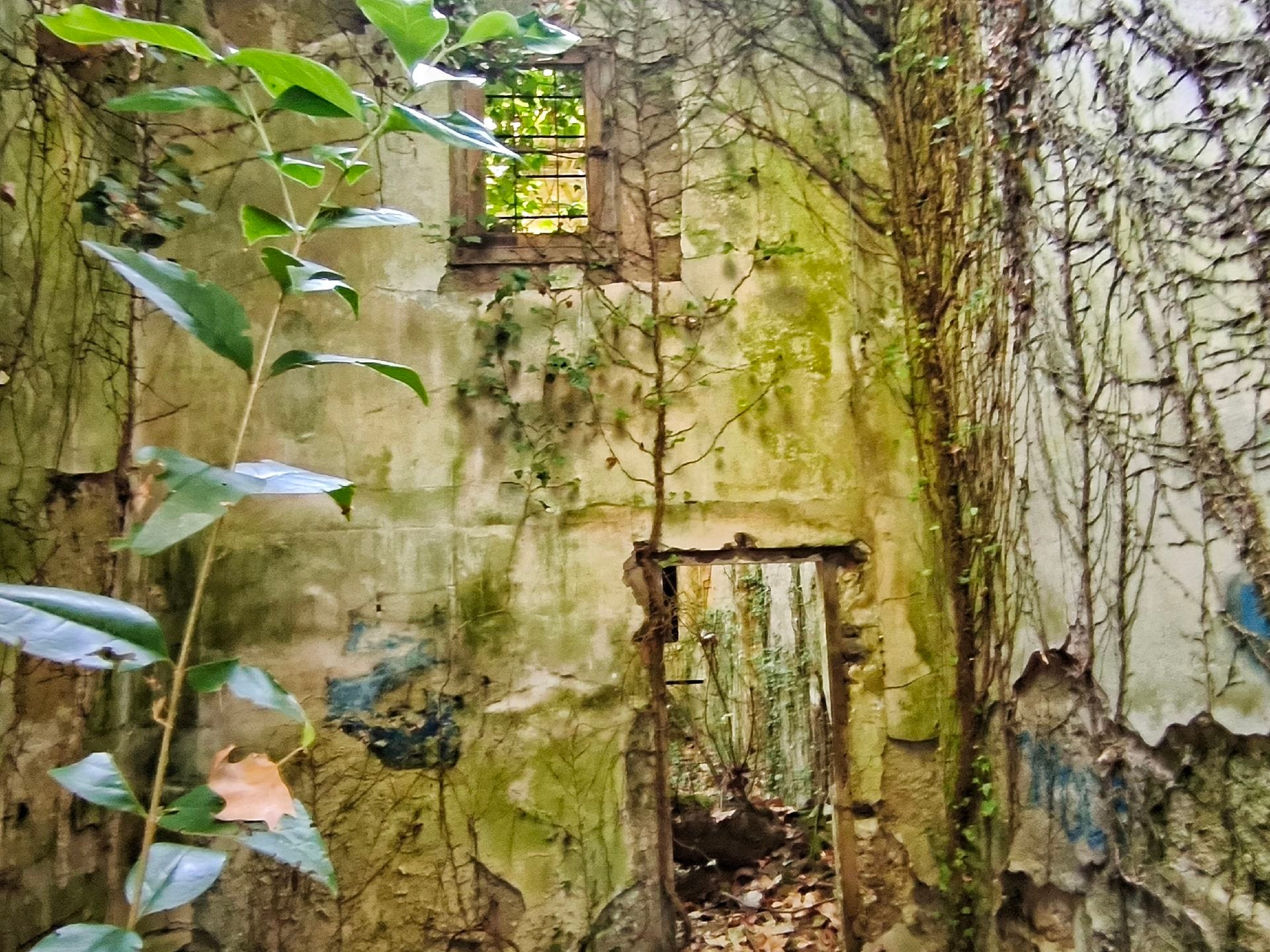
The spa continued to operate until the 1950s. Today, its ruins remain, a testament to a time when Banyoles was beginning to become a tourist destination.